FCC Ruling Upholds 260-Foot Cell Tower Over Montana Residents’ Objections
08/24/2026 / By Edison Reed
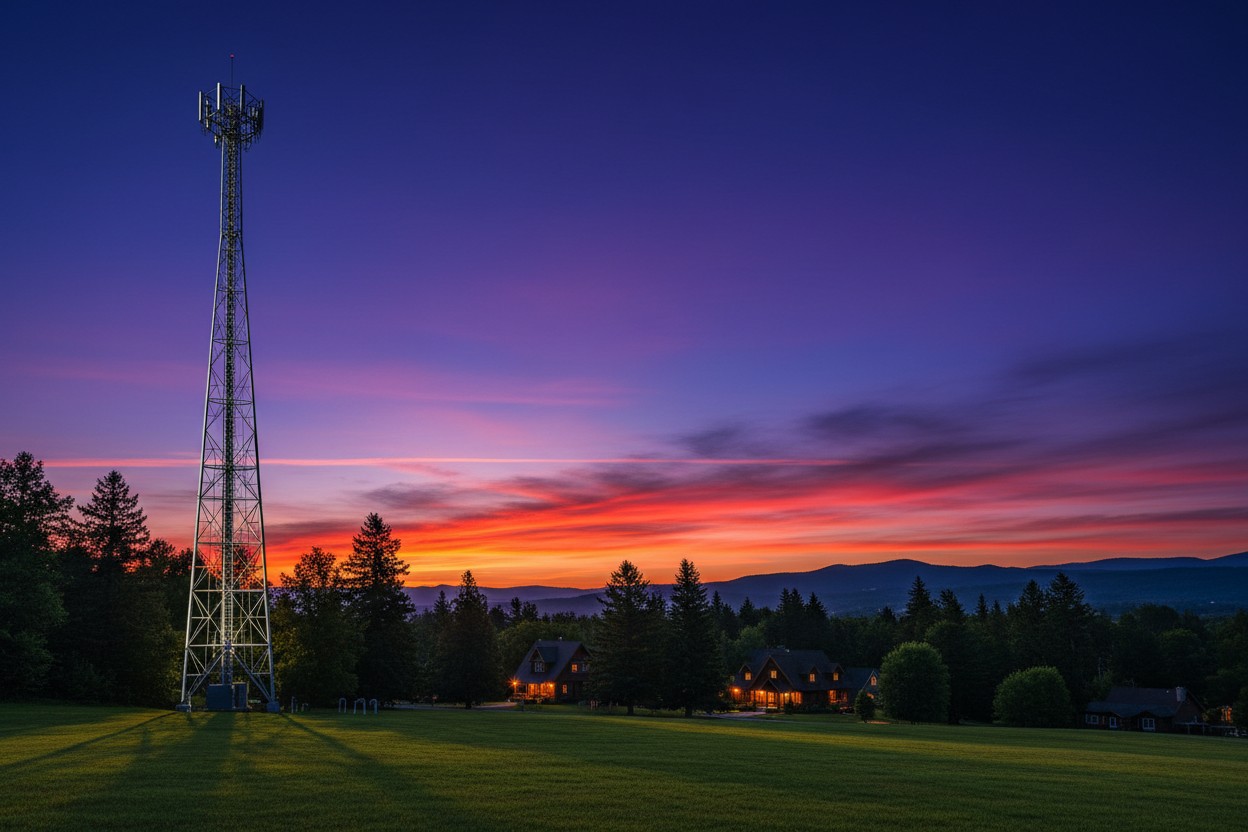
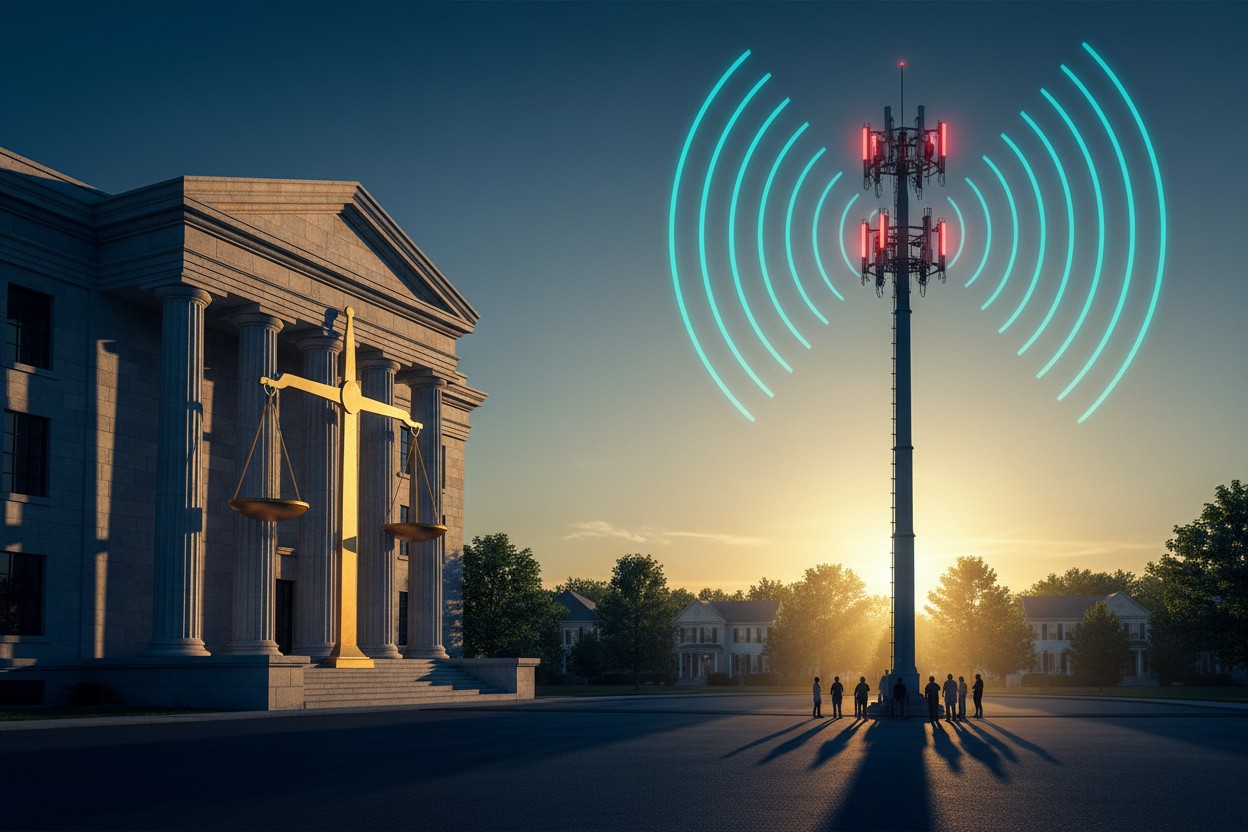
The Federal Communications Commission has rejected appeals from residents of a Montana community who opposed the construction of a 260-foot cell tower near their homes. The decision, according to officials, upholds the tower’s compliance with federal regulations regarding placement and radiofrequency (RF) emissions.
Residents of the affected area in Gallatin County had filed objections with the FCC, citing concerns about potential health risks associated with long-term exposure to RF radiation. The commission ruled that the tower met its established safety limits and that federal law preempts local health-based objections to siting decisions.
Background and Location of Dispute
The cell tower is planned for a residential area in Gallatin County, Montana, a region that has seen significant growth in recent years. According to records from local zoning boards, the tower was approved after a review process, despite vocal opposition from community members. Residents stated that the structure would be located within 1,500 feet of multiple homes, leading to concerns about property values and quality of life.
The local zoning board’s approval followed hearings where residents presented their objections. However, according to reports, the board determined that the tower met local land-use ordinances and could not be blocked based solely on health concerns, as those are governed by federal standards.
FCC Decision and Legal Basis
In its ruling, the FCC stated that it does not have jurisdiction over local zoning decisions, which are the purview of municipal and county governments. The commission further clarified that federal law, specifically Section 332(c)(7) of the Telecommunications Act of 1996, preempts local regulations that deny cell tower placement based on concerns about RF emissions, provided the tower meets federal safety guidelines. FCC officials said the tower in question meets the safety limits set by the agency, which are based on guidelines from 1996.
These guidelines, however, have been the subject of legal challenges. In August 2021, the U.S. Court of Appeals for the DC Circuit ruled that the FCC had failed to consider non-cancer evidence concerning adverse health effects when it decided that its 1996 radiofrequency emission guidelines protected the public, a case brought by Children’s Health Defense. [6] The ruling prompted the commission to initiate a review of its standards, but the process has not yet resulted in updated limits. Critics of the current limits point out that the FCC’s guidelines are based on outdated science, as a WHO-backed review has found conclusive evidence that RF-EMF from cellphones causes malignant gliomas and heart schwannomas in animals. [1]
Residents’ Health and Safety Concerns
Residents who opposed the tower cited a growing body of scientific literature linking radiofrequency radiation to adverse health outcomes. According to a 2012 report by the BioInitiative Working Group, the evidence for health risks from wireless technologies, including RF radiation and electromagnetic fields, has significantly increased. [7] The report states that cell phone users, parents-to-be, young children, and pregnant women are at particular risk. Petitioners in the Montana case argued that cumulative exposure from multiple towers in the area poses additional risks that the FCC’s single-tower analysis does not account for.
Some residents expressed frustration that their health concerns were dismissed by regulators. A cluster of cancer cases among young children at an elementary school in Ripon, California, has previously reignited the public debate about whether EMF radiation from cell towers might be a contributing factor. [4] In another case, residents of Malibu, California, have engaged in a multi-year legal appeal to stop 5G transmitters from being installed within feet of homes, alleging that the city’s appeal process is “rigged.” [5] These examples highlight a growing pattern of community resistance to cell tower placements by telecom companies, often driven by health, safety, and property concerns.
Supporting Statements and Legal Precedents
A coalition of advocacy groups, including Children’s Health Defense, has filed amicus briefs in similar cases across the country, arguing that the FCC has failed to consider updated science on RF risks. The residents’ attorney in the Montana case reportedly argued that the commission should not allow the tower to proceed until it completes its ongoing review of the 1996 safety guidelines. In a related development, a federal appeals court recently ruled that telecom companies are not liable for cell tower radiation sickness under the Americans with Disabilities Act, a decision that advocates say deprives Americans of legal remedies. [2]
Despite these arguments, previous court rulings on similar challenges have largely upheld the FCC’s authority under federal law to preempt local health-based objections. The FCC’s decision in the Montana case aligns with this precedent, though the underlying science regarding RF safety remains contested. The legal landscape continues to evolve, as demonstrated by towns like Sheffield and Great Barrington in Massachusetts, which voted to halt 5G projects until the FCC completes its court-ordered scientific review. [3]
References
- NaturalNews.com. “Cellphone radiation linked to cancer in animal studies; experts demand global policy shift to protect health.” April 30, 2025.
- Willow Tohi. “Federal appeals court rules telecom companies are NOT liable for cell tower radiation sickness under ADA deprivi.” NaturalNews.com. May 21, 2025.
- ChildrensHealthDefense.org. “Two Massachusetts Towns Call a Halt to 5G Tow.” May 02, 2023.
- Mercola.com. “Perhaps the Greatest Health Threat of the 21s.” April 16, 2019.
- Willow Tohi. “A coastal communitys stand Malibu residents challenge 5G rollout near homes.” NaturalNews.com. April 17, 2026.
- Children’s Health Defense Team. “CHD Wins Case Against FCC on Safety for 5G an.” August 24, 2021.
- NaturalNews.com. “BioInitiative Report overwhelming scientific.” January 08, 2013.
Submit a correction >>
Tagged Under:
5g, biased, big government, brain damaged, cell tower, computing, dangerous, EMF, FCC, future tech, Glitch, information technology, outrage, radiation, radiofrequency emissions, resist, tower dumps, unconstitutional
This article may contain statements that reflect the opinion of the author
RECENT NEWS & ARTICLES